
Advertising and SEO for Mobile Mechanics

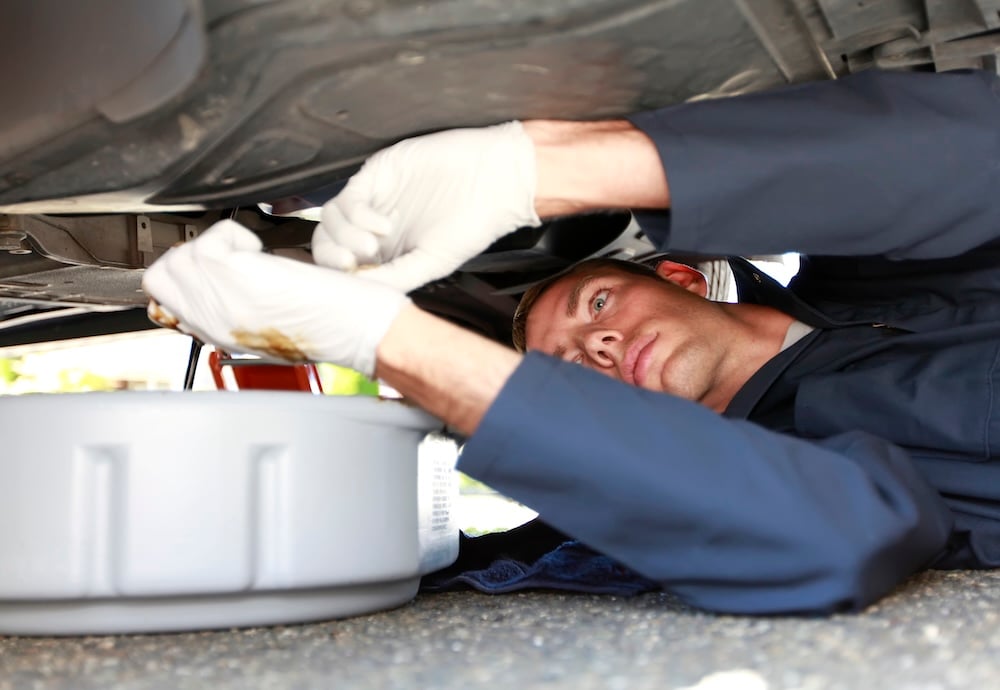
Running a mobile mechanic business means competing without a storefront, a sign on the road, or foot traffic to catch new customers. Your visibility lives almost entirely online — which makes SEO and advertising two of the highest-leverage investments you can make. Here’s how to get found by drivers searching for help right now.
Claim Your Google Business Profile as a Service-Area Business
Mobile mechanics are fully eligible for a Google Business Profile (GBP), even without a physical shop. Set up your listing as a service-area business: you can hide your home address and instead specify the cities or zip codes you serve. This keeps your listing eligible for the local Map Pack without exposing where you actually park your van at night.
Your GBP carries outsized weight in local rankings. It’s estimated to account for close to a third of local search ranking factors. Fill out every field: services offered, hours, service area, photos of your van and completed jobs, and a clear business description. An incomplete profile limits visibility, no matter how strong your website is.

Build Local Trust Signals
Once your profile is live, reinforce it:
- NAP consistency: Your business name, phone number, and service area should match exactly across your website, GBP, and any directories (Yelp, Nextdoor, Angi).
- Reviews on a schedule: Ask for a review within 24 hours of a good job, and send customers a direct link to your GBP review page. Respond to every review within 48 hours — mentioning the customer’s city in your reply reinforces local relevance to search engines.
- Mobile-first website: Most local searches happen on a phone. If your site is slow or hard to tap through on mobile, you’re losing calls before a customer even reads your services.
- Schema markup: Adding schema for your services and service area helps search engines (and AI-driven answer engines like Google AI Overviews) accurately describe your business when someone asks, “who does mobile brake repair near me.”
Target the Keywords Drivers Actually Search
Generic terms like “auto repair” are crowded and expensive. Mobile mechanics win with specific, high-intent, location-based phrases: “mobile mechanic near me,” “mobile oil change [city],” “mobile brake repair [city],” or “mechanic that comes to you.” These searches skew toward someone who needs help today, not someone comparison-shopping — nearly 3 in 10 “near me” searches end in a purchase. Weave these phrases naturally into your website’s service pages, blog posts, and GBP description.
Make Paid Ads Work Harder
Google Ads can put you in front of ready-to-book customers immediately while your SEO builds momentum. A few things separate profitable campaigns from wasted budget:
- Structure by service: Separate campaigns or ad groups for oil changes, brake work, diagnostics, and battery service — not one generic “mechanic” campaign.
- Geo-target tightly: Bid only on the zip codes and radius you actually service.
- Use negative keywords: Filter out DIY searches (“how to change oil myself”) that will never convert.
- Match the landing page to the ad: A brake repair ad should land on a brake repair page, not your homepage.
- Track calls: Phone calls are usually the real conversion event for mobile mechanics, so call tracking tells you which keywords and ads are actually generating booked jobs.
Don’t Skip Social Proof
Roughly three-quarters of people check social media before choosing a local service provider. A handful of before/after photos, quick videos of jobs in progress, or a review screenshot posted regularly on Facebook or Instagram builds the trust that turns a search click into a booked appointment.
Keep Learning From Shops Like Yours
SEO and advertising for a mobile operation move fast, and the tactics that work shift as search engines and ad platforms change. Automotive Management Network’s community of 15,000+ shop owners and operators shares what’s actually working in local marketing, pricing, and operations — free to join, with deeper tools and resources available at the premium level. Join AMN to compare notes with other mobile and brick-and-mortar professionals tackling the same growth challenges.
Responses